
 Español
 Portugues
 Pусский
 Français
 Deutsch
 日本語
日本語 한국어
한국어 العربية
 Italiano
 Nederlands
 Polski
 ไทย
ไทย Türk dili
 हिन्दी
 Indonesia
 Melayu
 Tiếng Việt
 čeština
 Română
Airborne solenoid valve
An airborne solenoid valve is an electromechanical control component designed to regulate the flow of air in pneumatic systems, especially in aviation and other applications where reliable, lightweight, and fast-acting performance is essential. It converts electrical energy into mechanical motion, allowing air pressure to be directed, opened, or shut with precision. Because of its responsiveness and compact structure, this type of valve is widely used in systems that require accurate air control under demanding conditions.The basic working principle of an airborne solenoid valve is simple. When an electrical current passes through the solenoid coil, it generates a magnetic field that moves a plunger or armature inside the valve body. This movement opens or closes the internal passage, controlling airflow through the valve. Once the current is removed, a spring or the system pressure returns the valve to its original position. This quick switching action makes the valve suitable for automated systems that need fast and repeated operations.In airborne environments, the valve must meet strict requirements for durability, safety, and weight reduction. Aircraft systems often face vibration, temperature changes, pressure fluctuations, and limited installation space. Therefore, airborne solenoid valves are typically manufactured using high-strength materials such as stainless steel, aluminum alloys, or corrosion-resistant engineering plastics. The internal seals are selected to maintain tight leakage control and stable performance over a wide range of operating conditions.These valves are commonly used in aircraft pneumatic control systems, environmental control systems, landing gear systems, braking systems, fuel-related auxiliary functions, and cabin pressure regulation. They may also be applied in helicopters, unmanned aerial vehicles, and specialized aerospace equipment. In each case, the valve helps maintain accurate control of compressed air or gas, improving the overall efficiency and reliability of the system.A major advantage of an airborne solenoid valve is its ability to respond instantly to electrical signals. This allows it to integrate easily with electronic control units, sensors, and automated monitoring systems. As a result, system operators can achieve remote control, precise timing, and improved operational safety. The valve’s compact design also helps reduce overall system weight, which is a critical factor in aviation, where every gram matters.Another important feature is reliability. Airborne solenoid valves are designed for long service life and stable performance under continuous use. They undergo rigorous testing for endurance, vibration resistance, sealing performance, and environmental adaptability. These qualities make them suitable for mission-critical applications where failure is not acceptable.In summary, an airborne solenoid valve is a vital pneumatic control device that combines electrical automation with dependable air flow regulation. Its fast response, compact size, strong durability, and adaptability to harsh environments make it an important part of modern airborne and aerospace systems.
Products
Category:
-
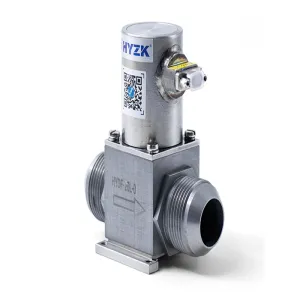
Airborne 2 position 2 way solenoid valve
Category: Solenoid ValveBrowse number: 804Number:Release time: 2026-10-23 17:20:51Nominal Diameter: DN20
Connection Type: M33*2 HB4-3
Nominal Pressure: PN16
-
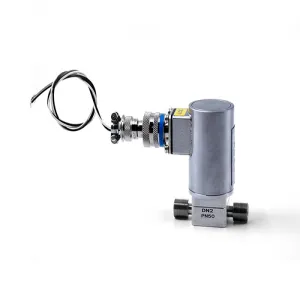
Airborne solenoid valve
Category: Solenoid ValveBrowse number: 681Number:Release time: 2026-10-23 17:52:56Nominal Diameter: DN2
Control Method: Normally Closed Type
Working Medium: 4050 Lubricating Oil
News
Category:
-
[Industry News] How to Select a Solenoid Valve for High Temperature Media
2026-10-23 18:01:14
Case
Category:
No search results found!
Video
Category:
No search results found!
Download
Category:
No search results found!
Job
Category:
No search results found!
Featured Products
-
NEWS
Airborne 2 position 2 way solenoid valve
Learn more



 WhatsApp
 Phone
Phone